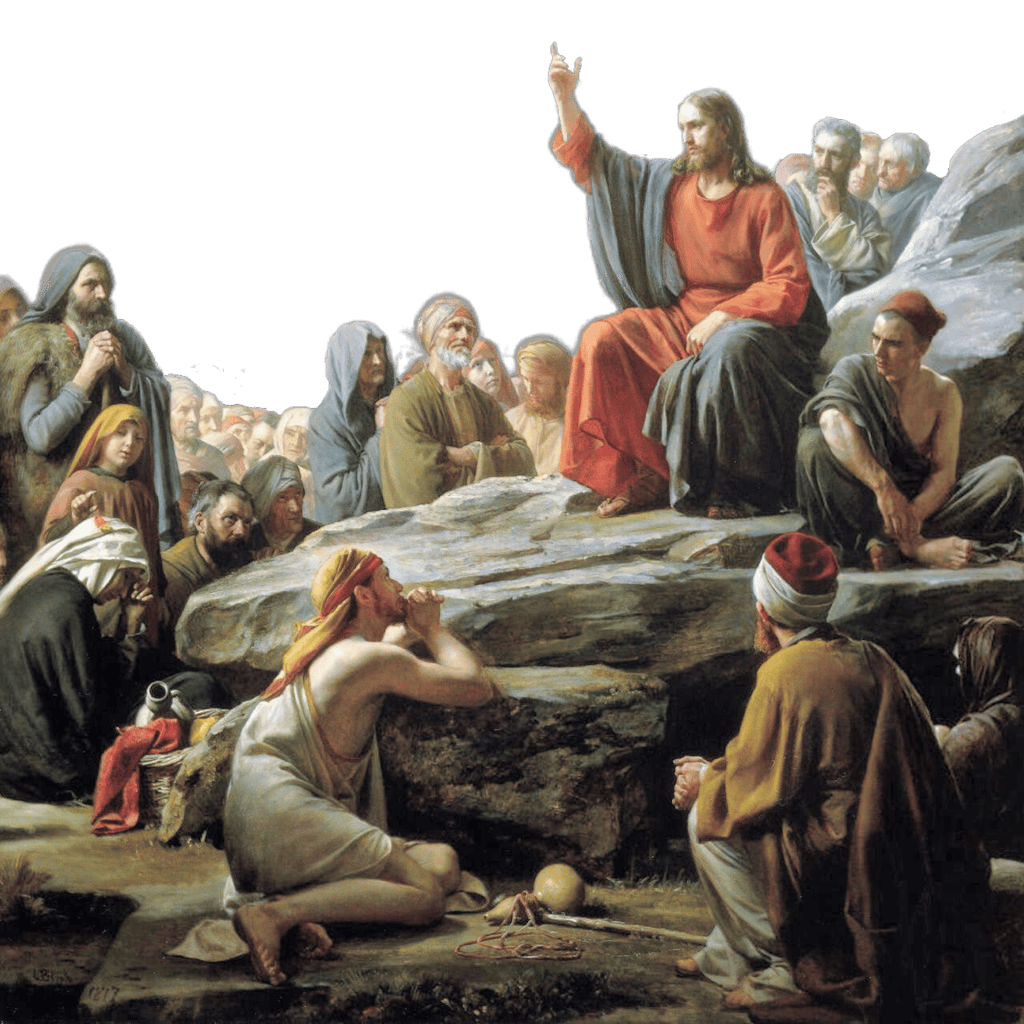
People are naturally drawn to the miraculous deeds of Christ Jesus. He heals people, casts out demons, and raises the dead back to life. Those are signs confirming the arrival of the Christ, but Mark 1:35–39 showcases what’s far more important: Jesus came to preach the Gospel. Scripture states:
“And rising very early in the morning, while it was still dark, Jesus departed and went out to a desolate place, and there He prayed. And Simon and those who were with Him searched for Him, and they found Him and said to Him, ‘Everyone is looking for you.’ And He said to them, ‘Let us go on to the next towns, that I may preach there also, for that is why I came out.’ And He went throughout all Galilee, preaching in their synagogues and casting out demons.” (Mark 1:35-39)
Jesus was never derailed by His popularity. He understood the purpose of His coming. The apostle Paul similarly emphasizes the significance of preaching the Gospel, as noted in 1 Corinthians 1:17.
“For Christ did not send me to baptize but to preach the Gospel, and not with words of eloquent wisdom, lest the cross of Christ be emptied of its power.”
After Jesus’ death, resurrection, and ascension, Peter stood before the crowd at Pentecost and cited the prophecy of Joel, declaring the imminent fulfillment of the final days for Old Covenant Israel (Acts 2:14-21). As the early church began to grow, this same sense of urgency to proclaim the Gospel continued to resonate through Peter’s words and actions.
Peter next points to the remarkable signs and wonders performed by Jesus, noting that his crucifixion and death aligned with God’s prior knowledge and divine purpose (Acts 2:22–23). Jesus’ resurrection confirmed God’s pledge to David, guaranteeing that his descendant would sit on the throne and build a lasting kingdom, as predicted in 2 Samuel 7:12–13 and 16, cited from Psalms 16:8–11 and 110:1, and recounted in Acts 2:24–35.
Peter then ended his sermon with a powerful declaration: “Let all the house of Israel be assured that God has made Jesus, whom you crucified, both Lord and Christ.” (Acts 2:36) Following this, he urged the people, “Repent and be baptized in the name of Jesus Christ for the forgiveness of your sins, and you will receive the gift of the Holy Spirit. This promise is for you, your children, and for all who are far away—everyone whom the Lord our God calls to Himself.” (Acts 2:38–39) With many other words, he testified and encouraged them, saying, “Save yourselves from this corrupt generation.” (Acts 2:40)
The last phrase “save yourselves from this corrupt generation,” without a doubt, points to the Old Covenant Israel, telling them judgment was approaching.
This urgent appeal to salvation underscores why preaching stays central to Christ’s work. Paul stressed its importance, noting he was sent to proclaim the Gospel not through clever language but through the message of the cross (1 Corinthians 1:17).
John records in Revelation, “another angel flying directly overhead, with an eternal gospel to proclaim to those who dwell on earth, to every nation and tribe and language and people.” (Revelation 14:6)
People still need to hear the Gospel. For pastors, teachers, and evangelists, it is vital to keep in mind the aim of our calling to Christ’s ministry. As we preach and teach, we follow Paul’s view that we prepare Christians for ministry work.
This work is intended to strengthen the church until everyone reaches a shared faith, rather than the varied teachings currently present. This way, the church may cease to be like children, tossed by waves and driven by every shifting doctrine, by human cleverness, or by deceptive schemes. (Ephesians 4:12–14)
Mark highlights the importance of Jesus’ preaching. In Mark 1:38, Jesus says, “Let us go on to the next towns, that I may preach there also, for that is why I came out,” a passage positioned between accounts of healing and casting out demons in Mark 1:21–34 and Mark 1:40–2:12—narratives that often capture more reader interest.
Christians, God’s concern should be ours. Maintain the importance of preaching and teaching ministry. Honor Jesus by honoring His Word.
Peter, in the words of Acts 3:6, declared, “I possess neither silver nor gold, but in the name of Jesus Christ, I offer you what I have.” Share this article freely, for you freely receive. Take note, underlines and highlights are clickable links for definitions or Bible references. Stay updated by heading to our about page and subscribe directly to receive notifications in your inbox. Blessings!


Leave a Reply