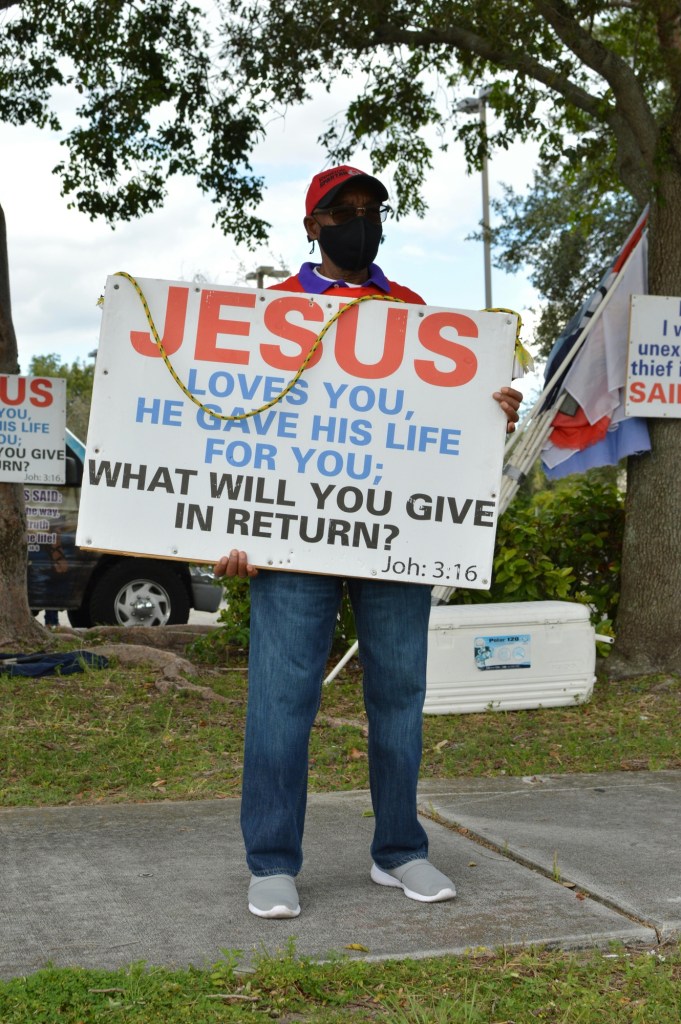
Can Christians justify participating in the recently concluded Black Nazarene parade, the present Sinulog parade, or even just the subsequent party without compromising their relationship with Christ Jesus?
The Bible, specifically Genesis 6:5-8, describes the natural behavior of humans and its consequences. It states, “The LORD saw that the wickedness of man was great in the earth, and that every intention of the thoughts of his heart was only evil continually. And the LORD regretted that He had made man on the earth, and it grieved Him to His heart. So the LORD said, ‘I will blot out man whom I have created from the face of the land, man and animals and creeping things and birds of the heavens, for I am sorry that I have made them.’ But Noah found favor in the eyes of the LORD.’”
Interestingly, the Hebrew word for “favor” is actually “grace.” Ironically, Israel disregarded God’s grace. In Judges, this phrase is repeatedly used to describe the behavior of God’s Old Covenant people, stating, “In those days there was no king in Israel. Everyone did what was right in his own eyes.” (Jdg 17:6) Regrettably, this behavior is also observed in many professing Christians. They desire the privilege of being God’s people but simultaneously insist on their own interpretations of what is right.
Consider this passage summarized from 2 Corinthians 5:17-20: “We Christians are ambassadors of Christ Jesus, carrying with us the ministry of reconciliation—that is, the Gospel. Should we then, even for fun, compromise the Gospel?”
If 2 Corinthians 5:17-20 is not convincing enough, how about Romans 6:16-23? Paul explains that presenting oneself as a slave means obeying either sin, leading to death, or righteousness, leading to sanctification. To illustrate, before we became Christians we were all slaves to impurity and lawlessness producing death, but now, as Christians, slaves to God, we are sanctified for eternal life. Paul then concludes, “The wages of sin is death, but God’s gift is eternal life in Christ Jesus”.
Dualistic Christianity is not taught in the Bible. We must stop justifying such an idea. We bear the responsibility of sharing the Gospel. God has called us Christians to be channels of blessing through it. If we blend in with the world, how can people clearly understand what it means to be a Christian? The reality is that we are saved by grace. This means we are all previously under God’s wrath, but through faith in Christ Jesus, we have been given eternal life, enjoying the fullness of God’s blessing.
So, here’s the challenge: Should we arrogantly declare ourselves Christians but live according to our desires or the world’s ways, disregarding God’s Word? If we do, we lose our integrity and credibility as bearers of the Gospel, not just for ourselves, but also for the lost in need of God’s grace because we mishandled the faith. As the Bible states, “Pay close attention to your life and your teaching; persevere in these things, for in doing this you will save both yourself and your hearers.” (1Ti 4:16)
Peter, in the words of Acts 3:6, declared, “I possess neither silver nor gold, but in the name of Jesus Christ, I offer you what I have.” Share this article freely, for you freely receive. Take note, underlines and highlights are clickable links for definitions or Bible references. Stay updated by heading to our about page and subscribe directly to receive notifications in your inbox. Blessing!
Many years ago, while I was still a seminary student doing a practicum in a Muslim community, we were introduced to an Imam, an Islamic leader in the community. He was courteous and welcomed us all, offering us snacks. To avoid offending his faith, we declined to offer a thanksgiving prayer for the food and ate. He gently reprimanded us for not following the teachings of Christianity, which is to thank God for food before eating. He then revealed that this was the reason he refused Christianity because of our inconsistencies and began bombarding us with theological questions that contradicted conventional Christian teachings vis-a-vis the Bible. This experience taught me the importance of being prudent and aware at all times. Ironically, in hindsight, many of the Iman’s ideas and understandings of Jesus Christ and the teachings of the Bible are more accurate than contemporary Christianity.
In Acts 17:16, the Bible tells us, “Now while Paul was waiting for them at Athens, his spirit was provoked within him as he saw that the city was full of idols.”
Every year, I find myself provoked as well. Not because many people don’t truly understand what they have believed and practiced, but because even among evangelical Christians, they feel comfortable joining festivals and its subsequent parties. Consider Israel during the Exodus: they sought an idol even while Moses was on Mount Sinai receiving God’s Covenant (Exodus 32). See Scripture:
“When the people saw that Moses delayed to come down from the mountain, they gathered themselves together to Aaron and said to him, ‘Up, make us gods who shall go before us. As for this Moses, the man who brought us up out of the land of Egypt, we do not know what has become of him.’ So Aaron said to them, ‘Take off the rings of gold that are in the ears of your wives, your sons, and your daughters, and bring them to me.’ So all the people took off the rings of gold that were in their ears and brought them to Aaron. And he received the gold from their hand and fashioned it with a graving tool and made a golden calf. And they said, “These are your gods, O Israel, who brought you up out of the land of Egypt!” When Aaron saw this, he built an altar before it. And Aaron made a proclamation and said, ‘Tomorrow shall be a feast to the LORD.’” (Exodus 32:1-5)
Look carefully at Exodus 32:5, Aaron clearly expressed that the golden calf he made for Israel was intended to represent the LORD, YHWH in Hebrew, the covenant name of God. In other words, Aaron wasn’t introducing a pagan god, but the LORD Himself. Yet this is not acceptable to God. Clearly stipulated in the Mosaic Law, God’s covenant with Israel states:
“And God spoke all these words, saying, ‘I am the LORD your God, who brought you out of the land of Egypt, out of the house of slavery. You shall have no other gods before Me. YOU SHALL NOT MAKE FOR YOURSELF A CARVED IMAGE, OR ANY LIKENESS OF ANYTHING THAT IS IN HEAVEN ABOVE, OR THAT IS IN THE EARTH BENEATH, OR THAT IS IN THE WATER UNDER THE EARTH. You shall not bow down to them or serve them, for I the LORD your God am a jealous God, visiting the iniquity of the fathers on the children to the third and the fourth generation of those who hate Me, but showing steadfast love to thousands of those who love Me and keep My commandments. YOU SHALL NOT TAKE THE NAME OF THE LORD YOUR GOD IN VAIN, FOR THE LORD WILL NOT HOLD HIM GUILTLESS WHO TAKES HIS NAME IN VAIN.” (Exodus 20:1-7)
Again, see Scripture to understand how God viewed Israel’s celebration in the midst of the golden calf named after Him:
“And they rose up early the next day and offered burnt offerings and brought peace offerings. And the people sat down to eat and drink and rose up to play. And the LORD said to Moses, ‘Go down, for your people, whom you brought up out of the land of Egypt, have corrupted themselves. They have turned aside quickly out of the way that I commanded them. They have made for themselves a golden calf and have worshiped it and sacrificed to it and said, “These are your gods, O Israel, who brought you up out of the land of Egypt!” And the LORD said to Moses, “I have seen this people, and behold, it is a stiff-necked people. Now therefore let Me alone, that My wrath may burn hot against them and I may consume them, in order that I may make a great nation of you.”” (Exodus 32:6-10)
It’s ironic that many Christians today do not see joining religious festivals as acting contrary to God’s will. Oh yes, it’s just for fun, and you still claim faith in Jesus Christ. Nowhere in the Bible is dualistic Christianity acceptable. Many don’t see such actions as a hindrance to the responsibilities Christians are called to uphold.
Faith in Christ Jesus not only grants us eternal life, it also makes us ambassadors of the Gospel. See Paul’s teaching on the ambassadorship of Christians:
“Therefore, if anyone is in Christ, he is a new creation. The old has passed away; behold, the new has come. ALL THIS IS FROM GOD, WHO THROUGH CHRIST RECONCILED US TO HIMSELF AND GAVE US THE MINISTRY OF RECONCILIATION; that is, in Christ God was reconciling the world to Himself, not counting their trespasses against them, and ENTRUSTING TO US THE MESSAGE OF RECONCILIATION. THEREFORE, WE ARE AMBASSADORS FOR CHRIST, GOD MAKING HIS APPEAL THROUGH US. We implore you on behalf of Christ, be reconciled to God. For our sake, He made Him to be sin who knew no sin, so that in Him, we might become the righteousness of God.” (2 Corinthians 5:17-21)
Our repentance and confession of faith in Christ comes with a price. We become bound servants of the Gospel, not of the world. While many may perceive these activities as harmless, we must be cautious not to misuse God’s name. As the apostle Paul explains in Romans 6:16, if we present ourselves as obedient slaves, we are either slaves of sin, which leads to death, or of obedience, which leads to righteousness.
In 2 Corinthians 5:21, Paul states that Christ Jesus is the righteousness of God. Therefore, we should be slaves of Christ Jesus, not of the world. Slaves of the Gospel, not of sin. Instead of succumbing to peer pressure or the temptation to be accepted, we should be ambassadors of Christ Jesus and His Gospel.
There is a reason that Christ Jesus said, “Enter by the narrow gate. For the gate is wide and the way is easy that leads to destruction, and those who enter by it are many. For the gate is narrow and the way is hard that leads to life, and those who find it are few” (Matthew 7:13-14). So why compromise if we have truly found the narrow way that leads to life?
Christians are ambassadors of the Gospel of Christ Jesus. It is through us that God has been making an appeal to others to repent and be reconciled with God. But if as ambassadors we have relapsed to the ways of the world and misrepresented Christ Jesus and His Gospel, what would be our consequences: commendations from God or rebuke? Take a look at God’s words in Revelation, written to the Seven churches. Keep in mind that God does not change.
Twice, the Bible states, “There is a way that seems right to a man, but its end is the way to death” (Proverbs 14:12; 16:25). But Christ Jesus declared, “I am the way, and the truth, and the life. No one comes to the Father except through Me” (John 14:6). Enjoy life, but live by the Gospel and never undermine its message.
Peter, in the words of Acts 3:6, declared, “I possess neither silver nor gold, but in the name of Jesus Christ, I offer you what I have.” Share this article freely, for you freely receive. Take note, underlines and highlights are clickable links for definitions or Bible references. Stay updated by heading to our about page and subscribe directly to receive notifications in your inbox. Blessing!
Many people blame God when life becomes difficult, asking questions like, “Why did God allow this to happen?” Is God really uncaring? Did He create a miserable life for us?
In the beginning, God created man, provided him with a suitable partner, and placed them in His garden. However, there was a condition: they were forbidden from eating the fruit from a particular tree. But Adam, humanity’s representative before God, chose to disobey the covenant. Consequently, troubles have plagued humanity ever since.
The Bible recounts the first murder following their banishment from the garden and mentions how, as human populations grew, God observed their persistent wickedness. It states, “Every intention of the thoughts of man’s heart was only evil continually.” This contradicts the very intention of God in creation, as evident in Genesis 1:3-31, where each day of God’s work is described as good or very good.
So, is it really God’s fault that humanity is in such a fallen state? Isn’t it rather a result of humanity’s own choices to reject God and His goodness?
Despite humanity’s rebellion, God allows people to live until their physical lives come to an end. Only then does God take back the source of life from them. Ecclesiastes 12:7 states, “The dust returns to the earth as it was, and the spirit returns to God who gave it.”
God alone is the source of life. When humanity attempts to govern itself, it faces the consequences of separation from God. He warned Adam, saying, “You may surely eat of every tree in the garden, but of the tree of the knowledge of good and evil you shall not eat, for in the day that you eat of it, you shall surely die” (Genesis 2:16-17). Adam’s spiritual or covenant death was a result of breaking that covenant. God does not revoke what He has given—the breath of life—until the physical body expires. Although God intended for humanity to live forever, as shown by the presence of the tree of life in the Garden of Eden, Adam and Eve were expelled from the garden because they lost their right to eternal life.
God always provides for us. He reversed the curse on the ground that had made it unproductive due to Adam’s sin, as described in Genesis 3:16-19. However, this promise came after He had judged the world with the flood during Noah’s time. The LORD stated, “I will never again curse the ground because of man, for the intention of man’s heart is evil from his youth. Neither will I ever again strike down every living creature as I have done. While the earth remains, seedtime and harvest, cold and heat, summer and winter, day and night shall not cease” (Genesis 8:21-22).
Remarkably, even after Adam’s curse, God’s purpose in creating humanity in His image remains unchanged. He promised the Seed of the woman. Hence, the Scriptures proclaim, “But when the fullness of time had come, God sent forth His Son, born of a woman, born under the law, to redeem those who were under the law, so that we might receive adoption as sons” (Galatians 4:4-5).
This promise is not limited to those under the Mosaic Law but extends to everyone who believes in Jesus Christ. As Galatians 3:24-28 states, “So then, the law was our guardian until Christ came, in order that we might be justified by faith. But now that faith has come, we are no longer under a guardian, for in Christ Jesus you are all sons of God through faith. For as many of you as were baptized into Christ have put on Christ. There is neither Jew nor Greek, neither slave nor free, nor male and female; for you are all one in Christ Jesus.”
In the beginning, God nurtured Adam and Eve in the garden, even after their expulsion from it. Scripture states that God made garments of skins and clothed them. Similarly, He cared for the Israelites during their time in the wilderness. God regarded Israel as a special nation among the nations until they rejected Christ Jesus. However, He was not surprised by Israel’s rejection of Him; it had been prophesied. In Genesis 3:15, God declared, “I will put enmity between you (the serpent) and the woman, and between your offspring and her offspring; He shall bruise your head, and you shall bruise His heel.” Christ Jesus was the promised offspring of the woman. In contrast, Old Covenant Israel is described as the offspring of the devil, as seen in John 8:44-45. Jesus addressed the unbelieving Jews, saying, “You are of your father the devil, and your will is to do your father’s desires. He was a murderer from the beginning and does not stand in the truth, because there is no truth in him. When he lies, he speaks out of his own character; for he is a liar and the father of lies. But because I tell the truth, you do not believe me.”
John the Baptist had the same description for the unbelieving Jews, see Matthew 3:7, “But when he saw many of the Pharisees and Sadducees coming to his baptism, he said to them, ‘You brood of vipers! Who warned you to flee from the wrath to come?’”
With the arrival of Christ Jesus, God extends His care to all who believe in Him, offering the gift of eternal life. All we need to do is believe and trust in God’s goodness. As Paul states in Romans, “What then shall we say to these things? If God is for us, who can be against us? He who did not spare His own Son but gave Him up for us all, how will He not also with Him graciously give us all things?” (Romans 8:31-32).
Life in this world will not always be trouble-free. Everything tangible and physical is subject to corruption and decay. The Christian life is rooted in the spiritual, even as we live in the flesh. We are called to salvation and yet remain here on Earth because it is our mission to share the Gospel of Christ with others. This calling is not limited to being a missionary; it involves being part of God’s work and living accordingly. That is the true essence of Christianity. Therefore, let us cultivate a legacy of sharing the message of Jesus and His Gospel, so that others might also join us in eternal life.
I urge all Christians to refrain from dividing ourselves over doctrinal differences. Let us humbly embrace the true teachings of the Bible and strive for unity in faith. Paul clearly states in Ephesians that Christianity comprises one body and one Spirit. We are called by one Lord, one faith, one baptism, and one God and Father of all (Ephesians 4:4-6).
Understand the parables of Jesus: “The kingdom of heaven is like treasure hidden in a field, which a man found and covered up. Then in his joy he goes and sells all that he has and buys that field. ‘Again, the kingdom of heaven is like a merchant in search of fine pearls, who, on finding one pearl of great value, went and sold all that he had and bought it.’” (Matthew 13:44-46)
The Gospel of Jesus Christ is the only gift that anyone can carry into eternity—God’s kingdom. Jesus proclaimed that the kingdom of heaven is here (Luke 17:20-21). We should learn from the Bible to understand that there is nothing more valuable than discovering God’s kingdom. It is truly priceless!
Peter, in the words of Acts 3:6, declared, “I possess neither silver nor gold, but in the name of Jesus Christ, I offer you what I have.” Share this article freely, for you freely receive. Take note, underlines and highlights are clickable links for definitions or Bible references. Stay updated by heading to our about page and subscribe directly to receive notifications in your inbox. Blessing!
Remember Elijah. In times of famine, God alone can send sparrows to provide us with sustenance (1Kgs 17:1-6). David, in Psalm 37, declared, “I have been young, and now am old, yet I have not seen the righteous forsaken or their children begging for bread. He is ever generous, and his children become a blessing.” (Psalms 37:25-26)
Trust God always! God is good all the time. His faithfulness never wavers and endures forever.
Peter, in the words of Acts 3:6, declared, “I possess neither silver nor gold, but in the name of Jesus Christ, I offer you what I have.” Share this article freely, for you freely receive. Take note, underlines and highlights are clickable links for definitions or Bible references. Stay updated by heading to our about page and subscribe directly to receive notifications in your inbox. Blessing!
Genesis 1:3-2:3 centers on the theme of Covenant Creation, presenting the overall redemptive work of God and Jesus Christ. It illustrates God’s declaration of “it was good” from the first through the fifth days of creation, highlighting the works of God the Father and Jesus Christ and the Holy Spirit through the Acts of the Apostles, as mentioned in John 5:17 and Acts 1:8. On the sixth day, God declared, “it was very good,” indicating that His work of salvation was complete. Therefore, on the seventh day, known as the Sabbath, God rested from His work (see Hebrews 4:5, 8-9; Revelation 21:5-6). This redemptive work was fully realized with the return of Christ Jesus (Hebrews 9:28; Revelation 19; Matthew 16:27-28; Luke 21:27-28).
Scripture’s eschatology cannot contradict God’s covenant creation. The Book of Genesis begins with the phrase “In the beginning,” and John’s Gospel starts in a similar way. In his opening statement, John refers to Christ Jesus as the Word, emphasizing that Christ was present at the beginning of the first creation, as described in Genesis 1:1. Furthermore, in the Book of Revelation, John states that Christ Jesus is also at the center of the New Heaven and the New Earth (Revelation 21-22).
Covenant creation and covenant eschatology are closely intertwined. Any perspective on the end that fails to align with the beginning is flawed.
God commanded John to announce in Revelation: “And He who was seated on the throne said, “Behold, I am making all things new.” Also He said, “Write this down, for these words are trustworthy and true.” And He said to me, “It is done! I am the Alpha and the Omega, the beginning and the end. To the thirsty I will give from the spring of the water of life without payment.” (Revelation 21:5-6)
I can’t speak for others, but as a follower of the Lord Jesus Christ and a firm believer in His Word, I am certain that God does not make a promise and allow it to go unfulfilled. In the Book of Revelation, Jesus Christ promised John three times, “I am coming soon” (Revelation 3:11; 22:7,12). John attested to his readers that indeed Christ Jesus promised His soon return, check out Revelation 22:20, “He who testifies to these things says, “Surely I am coming soon.” Amen. Come, Lord Jesus!” It’s ironic that many who claim to love Jesus and His Word fail to understand that if Jesus had not returned during John’s lifetime, He would have let John down.
Anyone who has read John’s Gospel should have noticed that Jesus revealed to Peter that His return would be after Peter’s martyrdom, during the lifetime of John. Check out Christ Jesus’ conversation with Peter in John 21:18-24.
“Truly, truly, I say to you, when you were young, you used to dress yourself and walk wherever you wanted, but when you are old, you will stretch out your hands, and another will dress you and carry you where you do not want to go.” (This He said to show by what kind of death he was to glorify God.) And after saying this Jesus said to him, “Follow Me.” Peter turned and saw the disciple whom Jesus loved following them, the one who also had leaned back against Him during the supper and had said, “Lord, who is it that is going to betray You?” When Peter saw him, he said to Jesus, “Lord, what about this man?” Jesus said to him, “If it is My will that he remain until I come, what is that to you? You follow me!” So the saying spread abroad among the brothers that this disciple was not to die; yet Jesus did not say to him that he was not to die, but, “If it is My will that he remain until I come, what is that to you?” This is the disciple who is bearing witness about these things, and who has written these things, and we know that His testimony is true.”
John described himself as the disciple whom Jesus loved in his Gospel. This does not imply that Jesus loved the others less; rather, it reflects John’s way of expressing his appreciation for God’s salvation mystery: Jesus died for all who believe.
John believes that Christ’s testimony is true, and we who claim to follow Jesus must believe the same.
Peter, in the words of Acts 3:6, declared, “I possess neither silver nor gold, but in the name of Jesus Christ, I offer you what I have.” Share this article freely, for you freely receive. Take note, underlines and highlights are clickable links for definitions or Bible references. Stay updated by heading to our about page and subscribe directly to receive notifications in your inbox. Blessing!
Recently, a friend from afar came to visit us. She inquired about my journey to becoming a pastor. To summarize my experience, I explained that I spent six years in an organized church, where I received a salary. However, for close to twelve years now, I have been serving independently, conducting Bible studies without a salary. Instead, I trust in God for voluntary contributions. She was amazed by God’s goodness and grace.
Is it permissible for a pastor to engage in money-making ventures or be employed in secular work while also serving God? Paul addressed this question in 1 Corinthians 9:7-14.
“Who serves as a soldier at his own expense? Who plants a vineyard without eating any of its fruit? Or who tends a flock without getting some of the milk? Do I say these things on human authority? Does not the Law say the same? For it is written in the Law of Moses, “You shall not muzzle an ox when it treads out the grain.” Is it for oxen that God is concerned? Does He not certainly speak for our sake? It was written for our sake, because the plowman should plow in hope and the thresher thresh in hope of sharing in the crop. If we have sown spiritual things among you, is it too much if we reap material things from you? If others share this rightful claim on you, do not we even more? Nevertheless, we have not made use of this right, but we endure anything rather than put an obstacle in the way of the gospel of Christ. Do you not know that those who are employed in the temple service get their food from the temple, and those who serve at the altar share in the sacrificial offerings? In the same way, the Lord commanded that those who proclaim the gospel should get their living by the gospel.” (1 Corinthians 9:7-14)
Jesus told a person who wanted to follow Him, “Foxes have holes, and birds of the air have nests, but the Son of Man has nowhere to lay His head.” (Luke 9:58)
We do not follow Jesus for material gains, but rather for forgiveness, restoration to God, and the gift of eternal life. This principle applies to everyone, including both pastors and disciples of Christ.
Jesus warns those who wish to follow Him that it won’t be easy. It’s not a bed of roses; life’s challenges will still arise. He further emphasized this by telling another potential follower, “No one who puts his hand to the plow and looks back is fit for the kingdom of God.” (Luke 9:62)
It’s ironic that many Christians often put Jesus or the Bible on the backseat when life’s troubles or even busyness arise. This is not a true way to follow Jesus Christ. Following Him can be summarized by the wedding vow: “I promise to be true to you in good times and in bad, in sickness and in health. I will love you and honor you all the days of my life.”
Oddly, Jesus even states, “Whoever loves father or mother more than Me is not worthy of Me, and whoever loves son or daughter more than Me is not worthy of Me.” (Matthew 10:37)
The journey of following Jesus is a narrow path with no other options. Hence, Jesus earlier in Luke 9 teaches: “If anyone would come after Me, let him deny himself and take up his cross daily and follow Me. For whoever would save his life will lose it, but whoever loses his life for My sake will save it.” (Luke 9:23-24)
Doesn’t seem to have options there, do we? It requires a strong commitment to follow Him, regardless of the consequences or obstacles. Jesus Christ invites us, saying, “Come, follow Me,” with no qualifications or exceptions.
During our Bible study, we often come across a passage in Scripture that leads to disagreement among some participants about its applicability to everyone. Consider Christ’s directive: “And Jesus, looking at him, loved him and said to him, ‘You lack one thing: go, sell all that you have and give to the poor, and you will have treasure in heaven; and come, follow Me.’” (Mark 10:21).
Is this an isolated teaching in Scripture? It is not. Jesus, in Luke 12:33-34, teaches something similar that applies to all who wish to be His disciples: “Sell your possessions and give to the needy. Provide yourselves with moneybags that do not grow old, with a treasure in the heavens that does not fail, where no thief approaches and no moth destroys. For where your treasure is, there will your heart be also.” (Luke 12:33-34)
The central message of Christ Jesus is not to demand that we sell all our possessions, but rather to emphasize that we should not love material wealth more than we love God. We need to place our hearts in the right position, as stated in Matthew 6:19-21. Jesus further explains, “No one can serve two masters; either he will hate the one and love the other, or he will be devoted to one and despise the other. You cannot serve God and money.” (Matthew 6:24)
We should follow Jesus with full conviction and trust. Take some time to reflect on whether you can endure the journey of following Him. The cost may be high, but the reward is priceless—eternal entry into God’s kingdom. Remember that when we decide to follow Jesus Christ, we are bound by a sacred commitment, like a wedding vow.
Peter, in the words of Acts 3:6, declared, “I possess neither silver nor gold, but in the name of Jesus Christ, I offer you what I have.” Share this article freely, for you freely receive. Take note, underlines and highlights are clickable links for definitions or Bible references. Stay updated by heading to our about page and subscribe directly to receive notifications in your inbox. Blessing!
Verse of the day taken from Bible.com. Our circumstances do not separate us from God; rather, it is the absence of faith and trust in Him. In fact, God remains faithful even when people are faithless (2 Timothy 2:13).
The verse highlights a significant point: God will always be faithful. Because He is good, He will continue to provide for our needs. After the flood, God made a covenant with Noah, who represents humanity before God after Adam. In Genesis 8:21-22, God says, “I will never again curse the ground because of man, for the intention of man’s heart is evil from his youth. Neither will I ever again strike down every living creature as I have done. While the earth remains, seedtime and harvest, cold and heat, summer and winter, day and night shall not cease.”
God will always stay true to His Word and promises. Therefore, we should ask: “Why is it being taught that God will destroy not only the Earth but also heaven itself with the return of Christ Jesus?”
In Isaiah 66:1, Scripture states, “Thus says the LORD: “Heaven is My throne, and the earth is My footstool; what is the house that you would build for Me, and what is the place of My rest?” Think again, what has been taught and held as Christian beliefs? Would God truly destroy heaven, His throne, and Earth, His reign?
Let us take a moment to reflect on the verse of the day: “The Lord is close to all who call on Him, yes, to all who call on Him in truth” (Psalm 145:18 NLT). The key phrase here is “to all who call on Him in truth.” God’s righteousness is closely connected to His truth, and He does not tolerate hypocrisy. He calls everyone to worship and follow Him in truth and spirit (John 4:24). Therefore, no one can genuinely claim faith in God or Jesus Christ without adhering to His truth.
Scripture teaches us: “Truthful lips endure forever, but a lying tongue lasts only for a moment. Deceit is in the heart of those who devise evil, but those who plan for peace find joy. No harm befalls the righteous, but the wicked are filled with trouble. Lying lips are an abomination to the Lord, but those who act faithfully are His delight” (Proverbs 12:19-22).
Years ago, I bumped into a predecessor in pastoral ministry who shared a troubling story with me. He spoke of a person notorious for working against pastors who do not yield to his demands. This individual called him, asking the pastor to share the faith with a gravely ill deaconess—a woman known to both of us as a passive supporter of his malicious ways.
I hope I am mistaken, but can you understand the mindset of the person who made this request? He is notorious for creating problems for pastors whenever it benefits him. To my knowledge, he has done this at least three times, but there may be many more instances in the past that we are unaware of. He seems to believe he can deceive God and evade justice, perhaps thinking he can emulate the grace shown to the thief on the cross; you can refer to Luke 23:39-43 if you’re not familiar with the story. He may be hoping that, at the last moment, he and those like him can confess their sins and escape the consequences of their actions.
However, Scripture warns us: “Do not be deceived: God is not mocked, for whatever one sows, that will he also reap. For the one who sows to his own flesh will from the flesh reap corruption, but the one who sows to the Spirit will from the Spirit reap eternal life.” (Galatians 6:7-8)
Christians, faith, and truth cannot be separated. Conniving together for evil works against the righteous for whatever earthly benefit would never be tolerated by God. Because God is righteous and true. Let’s evaluate our ways to see if we indeed have called on God in truth?
There is no such thing as half-truth. It’s either truth or a lie. We Christians are called to renounce our worldly ways. How then can anyone justify deceit and yet claim faith in Jesus Christ?
Concerning life, Jesus Christ teaches, “Beware of the leaven of the Pharisees, which is hypocrisy. Nothing is covered up that will not be revealed, or hidden that will not be known. Therefore, whatever you have said in the dark shall be heard in the light, and what you have whispered in private rooms shall be proclaimed on the housetops. ‘I tell you, My friends, do not fear those who kill the body, and after that have nothing more that they can do. But I will warn you whom to fear: fear Him who, after He has killed, has authority to cast into hell. Yes, I tell you, fear Him! Are not five sparrows sold for two pennies? And not one of them is forgotten before God. Why, even the hairs of your head are all numbered. Fear not; you are of more value than many sparrows.’” (Luke 12:1-7)
The Christian walk is not a journey in compromises. Nothing we did in darkness is kept from God. Rather, we are called to walk the faith. The Bible says, “And without faith it is impossible to please God, for whoever would draw near to Him must believe that He exists and that He rewards those who seek Him.” (Hebrews 11:6)
Reflect carefully about your confession and faith. Only a truthful confession of faith counts with God. Hence, the Christian life will always be challenging. Anyone who claims to be a Christian and yet involves themselves in lies better wake up. For God’s omniscience sees through our hearts and minds. Let us therefore walk the talk.
The apostle Paul, in his letter to the Thessalonian Christians, said: “But you are not in darkness, brothers, for that day to surprise you like a thief. For you are all children of light, children of the day. We are not of the night or of the darkness.” (1 Thessalonians 5:4-5)
We belong either to the day or night. There’s no middle ground. God cannot be deceived. We can always rely on His righteousness and grace.
Peter, in the words of Acts 3:6, declared, “I possess neither silver nor gold, but in the name of Jesus Christ, I offer you what I have.” Share this article freely, for you freely receive. Take note, underlines and highlights are clickable links for definitions or Bible references. Stay updated by heading to our about page and subscribe directly to receive notifications in your inbox. Blessing!
Christians often find it challenging to understand God’s concept of faith. As mentioned in Hebrews 11:1, “Now faith is the assurance of things hoped for, the conviction of things not seen.” This means that faith is not based on what we can immediately perceive or touch. Instead, it relies on a steadfast belief in God’s truthfulness. Therefore, we trust that He cares for us and will fulfill His wonderful purpose for our lives—our salvation. Paul emphasizes this in Romans when he states, “What then shall we say to these things? If God is for us, who can be against us? He who did not spare His own Son but gave Him up for us all, how will He not also with Him graciously give us all things?” (Romans 8:31-32).
“All things” encompasses the smaller aspects of life, such as our daily needs, in comparison to the “breath of life” that makes us living beings. Jesus Christ teaches us not to worry about these lesser things when he says, “Therefore I tell you, do not be anxious about your life—what you will eat or drink, or about your body—what you will wear. Is not life more than food, and the body more than clothing? Look at the birds of the air: they neither sow nor reap nor gather into barns, and yet your heavenly Father feeds them. Are you not of more value than they?” (Matthew 6:25-26)
Christians, we should prioritize the truly important matters—specifically, eternal life. We must not compromise our faith in God out of fear over a lack of resources, which can lead us to become overly focused on the pursuit of money. This is why Jesus said, “No one can serve two masters; for either he will hate the one and love the other, or he will be devoted to the one and despise the other. You cannot serve God and money.” (Matthew 6:24)
I have often found myself at a crossroad, deciding whether to follow God without knowing what lies ahead. The last time this happened was when my tenure as a pastor in a local church was unjustly ended. Although I completed my term, it was not renewed. I recall someone telling me that if I had just let things slide, I would still be the pastor of that church. However, I simply cannot compromise my faith in God and His Word. I chose to persist and trust Him to lead the way.
Now, here I am, independently conducting Bible studies and writing about the truths concerning the faith. Just recently, I ran into one former church council member. I shared with him that stepping out to do ministry on my own has been a great blessing from God.
Let us continuously be aware of the precious gift that God offers to everyone. As Paul states in Ephesians 2:8, salvation comes by grace through faith in Christ alone. Therefore, let’s persevere in our faith and diligently seek His kingdom and righteousness. Allowing a wrong to slide isn’t adhering to God’s righteousness, is it? Jesus teaches us that if we faithfully sought His kingdom and righteousness, all these other things— our daily provisions— will also be given to us (Matthew 6:33). This is essentially the message of Proverbs 10:22: “The blessing of the LORD makes rich, and He adds no sorrow with it.”
Faith in Jesus Christ is at the center of Christianity. It is inconceivable, isn’t it, to have a faithless Christianity? Consequently, Hebrews 11:6 states, “And without faith it is impossible to please Him, for whoever would draw near to God must believe that He exists and that He rewards those who seek Him.”
Peter, in the words of Acts 3:6, declared, “I possess neither silver nor gold, but in the name of Jesus Christ, I offer you what I have.” Share this article freely, for you freely receive. Take note, underlines and highlights are clickable links for definitions or Bible references. Stay updated by heading to our about page and subscribe directly to receive notifications in your inbox. Blessing!
Adam’s punishment for breaking God’s covenant was not only death, he would also toil for his food until he died (Genesis 3:17-19). However, this curse was reversed after the flood during Noah’s days, as seen in Genesis 8:20-22.
“Then Noah built an altar to the LORD and took some of every clean animal and some of every clean bird and offered burnt offerings on the altar. And when the LORD smelled the pleasing aroma, the LORD said in His heart, ‘I will never again curse the ground because of man, for the intention of man’s heart is evil from his youth. Neither will I ever again strike down every living creature as I have done. While the earth remains, seedtime and harvest, cold and heat, summer and winter, day and night, shall not cease.’”
God’s restoration of His blessings to human toil was evident through His covenant with Noah. For that alone, we should be grateful for God’s grace.
In fact, Jesus teaches us Christians to love even our enemies because God has a common grace for everyone. Check out Matthew 5:44-45, Psalm 145:9 and Acts 14:17. So why is there suffering and scarcity of food or resources for people? It is because of man’s selfishness and greed. Hence, in Christ’s parable in Luke 12:15-21, the rich man who has an abundant harvest is condemned to die because he laid up treasures for himself and is not rich towards God.
Christians, there have been talks of an impending economic hardship or collapse. Learn from the story of 1 Kings 17. There was a drought, and therefore, famine ensued. Elijah, a man of God, was shielded from the drought and famine. God asked him to go to the brook and commanded ravens to bring him food. Later, the brook dried up, and he was commanded to go to a widow, whom God commanded to feed Elijah.
Elijah came to the widow. She was destitute, with only a handful of flour in a jar and a little oil in a jug, enough for her to prepare her and her son’s last meal. Strangely, Elijah told the widow to go prepare food and bring it first to him.
If you have been reading this story in the Bible, perhaps at this point in the story, anyone would say Elijah thought only about himself. Because the widow had already told him she had nothing left except her last resources for her and her son’s last meal. But reading on would reveal Elijah was simply exercising his faith in God. God told him to go to this widow for provision (1 Kings 17:8).
The widow, clearly burdened by God, did exactly what Elijah told her to bring him food first. The Bible then narrates, “And she went and did as Elijah said. And she and he and her household ate for many days. The jar of flour was not spent, neither did the jug of oil become empty, according to the word of the LORD that He spoke by Elijah.” (1 Kings 17:15-16)
The widow and her son actually benefited from the presence of Elijah, because God was with him. They experienced God’s divine providence because the widow honored God by responding positively to God’s instructions spoken through Elijah.
Christians, if God can provide for Elijah, the widow, and her son in strange ways, and He changes not, He would do the same if only we would trust God, even in the midst of economic difficulties.
The Bible in Psalm 37 states, “The steps of a man are established by the LORD, when He delights in his way; though he fall, he shall not be cast headlong, for the LORD upholds his hand. I have been young, and now am old, yet I have not seen the righteous forsaken or his children begging for bread.” (Psalm 37:23-25)
Jesus Christ teaches us not to worry about food, drink, or clothing. God provides for even the birds, so how much more will He care for us, who are far more precious to Him? These worries often consume the thoughts of those who do not believe, but our heavenly Father knows all our needs. Instead, we should seek first His kingdom and His righteousness—through Christ Jesus (Romans 10:4)—and God will take care of our daily needs (Matthew 6:25-33).
If we claim to believe in John 3:16, which states that eternal life is in Christ Jesus, why is it so difficult for us to trust that Jesus Christ cares for our daily needs? Stop worrying and have faith in God’s Word.
Peter, in the words of Acts 3:6, declared, “I possess neither silver nor gold, but in the name of Jesus Christ, I offer you what I have.” Share this article freely, for you freely receive. Take note, underlines and highlights are clickable links for definitions or Bible references. Stay updated by heading to our about page and subscribe directly to receive notifications in your inbox. Blessing!
Many people blame God when life becomes difficult, asking questions like, “Why did God allow this to happen?” Is God really uncaring? Did He create a miserable life for us?
In the beginning, God created man and provided a suitable partner for him. His only condition was that they should not eat the fruit from one specific tree. However, Adam, humanity’s representative before God chose to break this covenant. Since then, troubles have plagued humanity.
The Bible recounts the first murder and mentions how, as human populations grew, God observed their ongoing wickedness. It states, “Every intention of the thoughts of man’s heart was only evil continually.”
So, is it really God’s fault that humanity is in such a fallen state? Isn’t it rather a result of humanity’s own choices to reject God and His goodness?
Despite humanity’s rebellion, God allows people to live until their physical lives come to an end. Only then does God take back the source of life from them. Ecclesiastes 12:7 states, “The dust returns to the earth as it was, and the spirit returns to God who gave it.”
God alone is the source of life. When humanity seeks to govern itself, it incurs the consequences of separation from God. God warned Adam, saying, “You may surely eat of every tree in the garden, but of the tree of the knowledge of good and evil you shall not eat, for in the day that you eat of it, you shall surely die” (Genesis 2:16-17). Adam’s death was a consequence of him breaking the covenant. God does not take back what He has given—the breath of life—until the physical body expires. Although God intended for humanity to live forever, as evidenced by the presence of the tree of life in the Garden of Eden, but Adam and Eve were expelled from the garden because they lost their right to eternal life.
Yet, God always provides. His purpose in creating humanity in His image cannot be denied. He promised the Seed of the woman—not just any woman. The Scriptures declare, “But when the fullness of time had come, God sent forth His Son, born of a woman, born under the law, to redeem those who were under the law, so that we might receive adoption as sons” (Galatians 4:4-5). This promise is not limited to those under the Mosaic Law but extends to everyone who believes in Jesus Christ. As Galatians 3:24-28 states, “So then, the law was our guardian until Christ came, in order that we might be justified by faith. But now that faith has come, we are no longer under a guardian, for in Christ Jesus you are all sons of God through faith. For as many of you as were baptized into Christ have put on Christ. There is neither Jew nor Greek, neither slave nor free, nor male and female; for you are all one in Christ Jesus.”
God cared for Adam and Eve in the garden and similarly looked after the Israelites during their time in the wilderness. He considered Israel special among the nations until they rejected Christ Jesus. With the arrival of Christ, God extends that same care to all who believe in Jesus, but with the gift of eternal life. All we need to do is believe and trust in God’s goodness.
Life in this world will not always be trouble-free. Everything tangible and physical is subject to corruption and decay. The Christian life is rooted in the spiritual, even as we live in the flesh. We are called to salvation and yet remain here on Earth because it is our mission to share the Gospel of Christ with others. This calling is not limited to being a missionary; it involves being part of God’s work and living accordingly. That is the true essence of Christianity.
As we remember our deceased loved ones, we are reminded of our own fragility. One day, we too will be memories for others. However, when that day comes, we continue to exist and live in the presence of Jesus because we have believed in Him. Therefore, let us cultivate a legacy of sharing the message of Jesus and His Gospel, so that others might also join us in eternal life.
The Bible states, “Precious in the sight of the LORD is the death of His saints.” (Psalm 116:15) The Gospel of Jesus Christ is the only gift anyone can bring with them into eternity. God’s gift of life is priceless!
Peter, in the words of Acts 3:6, declared, “I possess neither silver nor gold, but in the name of Jesus Christ, I offer you what I have.” Share this article freely, for you freely receive. Take note, underlines and highlights are clickable links for definitions or Bible references. Stay updated by heading to our about page and subscribe directly to receive notifications in your inbox. Blessing!