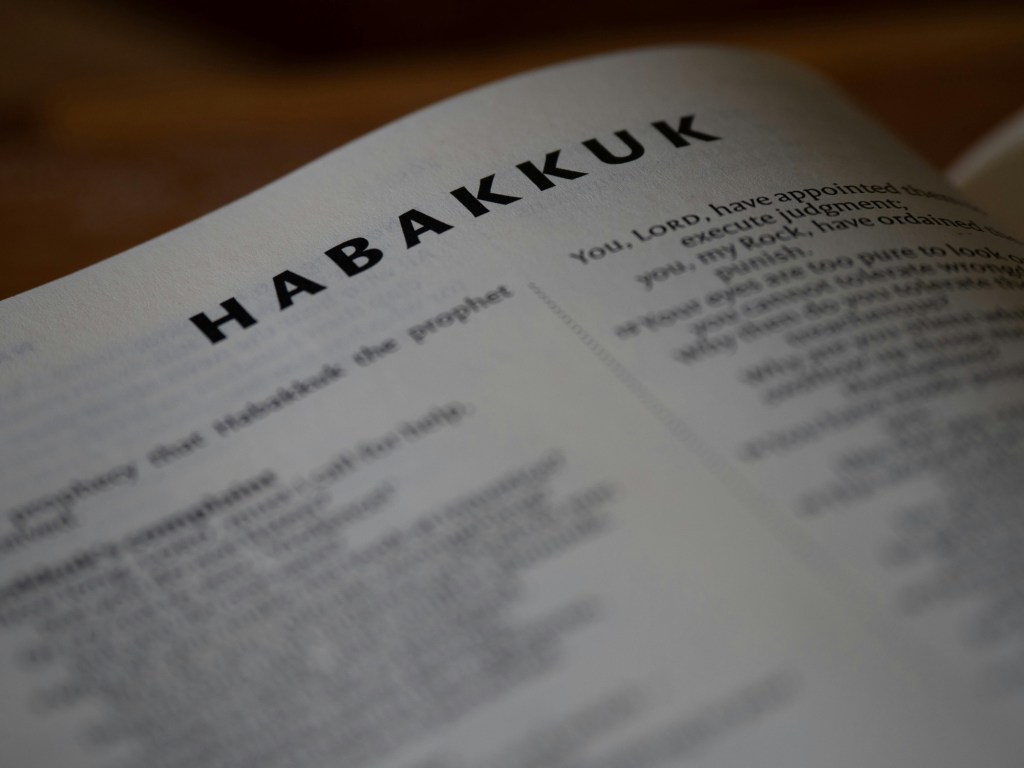
Over the years of reading and studying the Bible, I have come to understand that all 66 books are indeed Scripture. This is evident because their messages are coherent and they all point to Christ Jesus, whether directly or by inference. I am referring here to internal evidence.
For those who have not yet to recognized this unity, I am providing a link that discusses the authority of the Bible based on external evidence.
I understand that the external evidence regarding the canon of Scripture can be contentious, especially considering the influence of Constantine’s time. GotQuestions.org explains that the term “canon” refers to the books that are divinely inspired and thus belong in the Bible. But how do we determine which books are inspired? Here are some criteria to consider:
- Authorship: The identity of the author is crucial.
- Dating: The book should have been written before the fall of Jerusalem in AD 70.
- General Circulation: The work should have been recognized, used, or circulated by early Christian communities, ideally within the 1st century.
- Message: The book should present a unified message that aligns with the fulfillments of Old Testament Scripture.
It’s important to remember Christ’s words: “Then He said to them, ‘These are My words that I spoke to you while I was still with you, that everything written about Me in the Law of Moses and the Prophets and the Psalms must be fulfilled.’ Then He opened their minds to understand the Scriptures, and said to them, ‘Thus it is written, that the Christ should suffer and on the third day rise from the dead, and that repentance for the forgiveness of sins should be proclaimed in His name to all nations, beginning from Jerusalem. You are witnesses of these things.’” (Luke 24:44-48)
The Old Testament canon faces little controversy, primarily because both Jesus Christ and the apostles refer to it. For example, Peter writes, “For we did not follow cleverly devised myths when we made known to you the power and coming of our Lord Jesus Christ, but we were eyewitnesses of His majesty.” Here, Peter serves as a witness, representing New Testament Scripture. He continues, “For when He received honor and glory from God the Father, and the voice was borne to Him by the Majestic Glory, ‘This is My beloved Son, with whom I am well pleased,’ we ourselves heard this very voice borne from heaven, for we were with Him on the holy mountain.” Once more, Peter refers to the Gospels, affirming the fulfillment of Old Testament Scripture; Isaiah 42:1 speaks of God delighting in His servant, among other prophecies.
Next, Peter confirmed that they had witnessed the fulfillment of Old Testament Scripture. He continued by stating, “And we have the prophetic word made more fully confirmed, to which you would do well to pay attention, as to a lamp shining in a dark place, until the day dawns and the morning star rises in your hearts.” He emphasized, “Knowing this first of all: no prophecy of Scripture comes from an individual’s own interpretation. For no prophecy was ever produced by the will of man, but men spoke from God as they were carried along by the Holy Spirit” (2 Peter 1:16-21).
I personally stand by the internal evidence for the canon of Scripture, hoping to put to rest doubts about the inerrancy of the Bible, particularly the New Testament Scriptures, which have been heavily attacked by critics.
Peter, in the words of Acts 3:6, declared, “I possess neither silver nor gold, but in the name of Jesus Christ, I offer you what I have.” Share freely, for you freely receive. Stay updated by heading to our about page and subscribe directly to receive notifications in your inbox. Blessing!
 Unlearning Tradition, Relearning Scripture